Intel’s Evolving Approach to Multithreading in CPU Architecture
In recent years, Intel has significantly redefined its approach to multithreading within its CPU core designs. This strategic shift began with the introduction of the 12th-Generation Core processors, marking a move away from the company’s long-standing Hyper-Threading technology. Alongside this transition, Intel adopted asymmetrical CPU architectures, initially enabling simultaneous multithreading (SMT) exclusively on performance cores (P-Cores).
Transition Away from Hyper-Threading in Consumer CPUs
On the consumer front, Intel has fully phased out Hyper-Threading with the launch of the Core Ultra 200 series. This marks a notable departure from previous generations, where Hyper-Threading was a key feature for boosting parallel processing capabilities. However, Intel continues to support Hyper-Threading in select server-grade processors, particularly within the Xeon lineup.
Current and Upcoming Xeon Processor Families
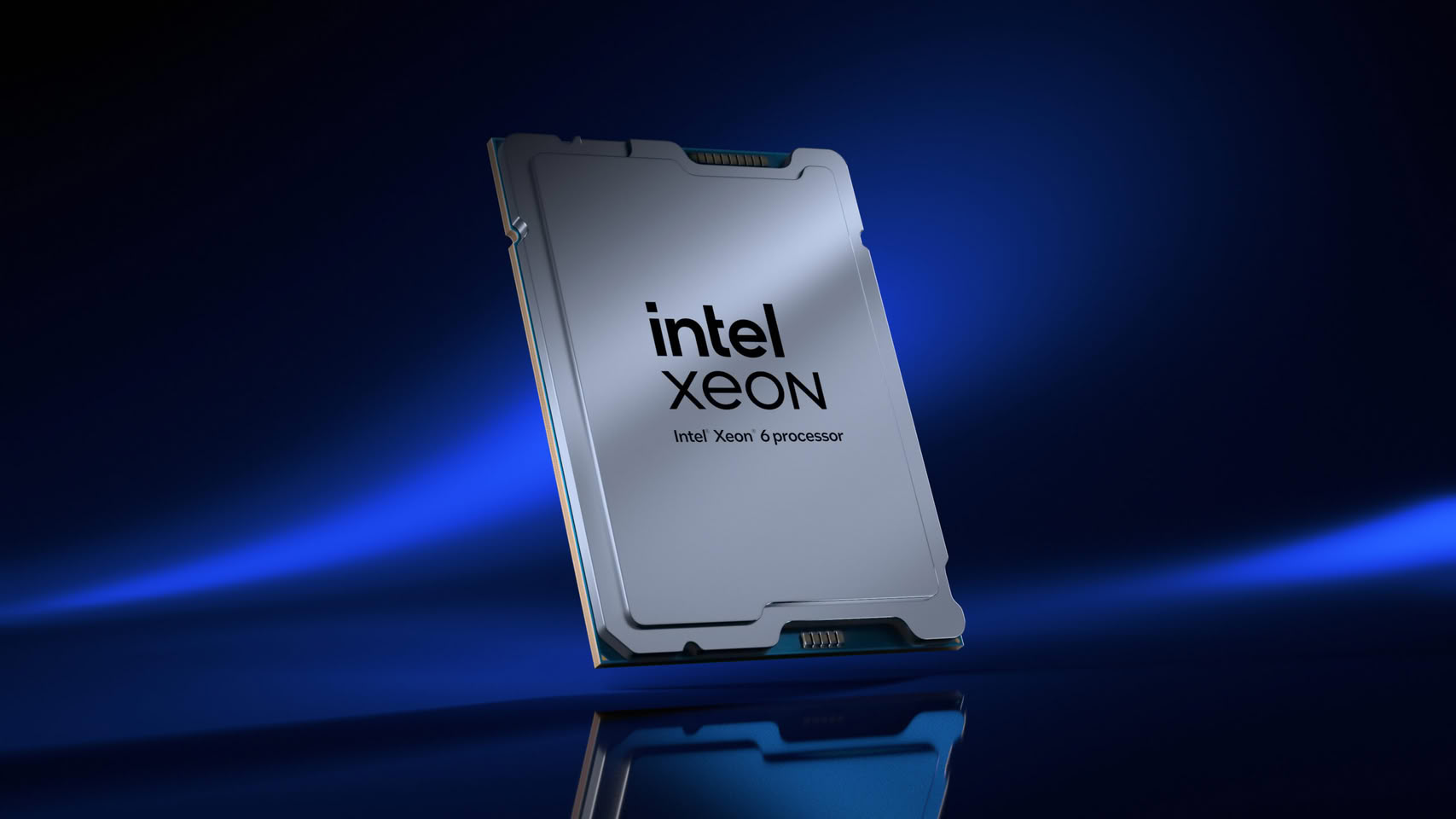
The Xeon 6 "Granite Rapids" CPUs, designed for data center and enterprise workloads, still feature Hyper-Threading on up to 128 P-Cores, delivering a total of 256 threads. In contrast, the "Clearwater Forest" Xeon 6 models utilize up to 288 efficient cores (E-Cores) without Hyper-Threading, focusing on maximizing core count for highly parallel workloads.
Looking ahead, Intel’s upcoming Xeon 7 "Diamond Rapids" processors are set to offer up to 192 P-Cores, but with a one-to-one core-to-thread ratio—meaning Hyper-Threading will not be present. This design choice reflects Intel’s ongoing experimentation with core architectures to optimize both single-threaded and multi-threaded performance.
Return of Hyper-Threading with Xeon 8 "Coral Rapids"
Intel has announced plans to reintroduce Hyper-Threading with the Xeon 8 "Coral Rapids" family, expected to launch after the release of Diamond Rapids. This return is anticipated to coincide with Intel’s adoption of the advanced 14A process node for high-volume manufacturing, potentially enhancing both performance and efficiency.
According to Intel leadership, the company remains committed to advancing both single-threaded and multi-threaded performance to maintain competitiveness in the CPU market. The reintroduction of SMT in Coral Rapids is expected to play a significant role in this strategy, leveraging improvements in manufacturing yield, advanced packaging, and innovations from Intel’s Foundry division.
What to Expect from Intel’s Future CPU Lineup
The no-SMT Xeon 7 "Diamond Rapids" processors are projected for release in 2027, while the SMT-enabled Xeon 8 "Coral Rapids" is expected to follow in 2028. With these developments, Intel is poised to deliver a robust and versatile lineup of CPUs tailored for a wide range of computing needs, from high-performance data centers to next-generation enterprise applications.