Linux vs. Windows: Gaming Performance Face-Off
The release of Valve’s Steam Deck has reignited the ongoing debate between Linux and Windows as gaming operating systems. With more gamers exploring alternatives to Windows, direct performance comparisons have become increasingly relevant. A recent benchmark test by Meta PCs set out to provide concrete data on how these two platforms stack up, but the results have sparked further discussion about what truly defines the best gaming OS.
Benchmark Setup and Methodology
The tests were conducted on a high-end, all-AMD system featuring an AMD Ryzen 7 9850X3D processor, an XFX Swift AMD Radeon RX 9070 XT 16 GB graphics card, and 16 GB of RAM. This configuration, paired with the latest AMD Linux drivers, was designed to give Linux an optimal environment. Both Windows 11 and Fedora Linux 44 were used, with games running at identical resolutions. Each game was tested three times, and the results were averaged for accuracy. Notably, all games were the Windows versions executed via Valve’s Proton compatibility layer on Linux.
Performance Results: Synthetic Benchmarks vs. Real-World Gaming
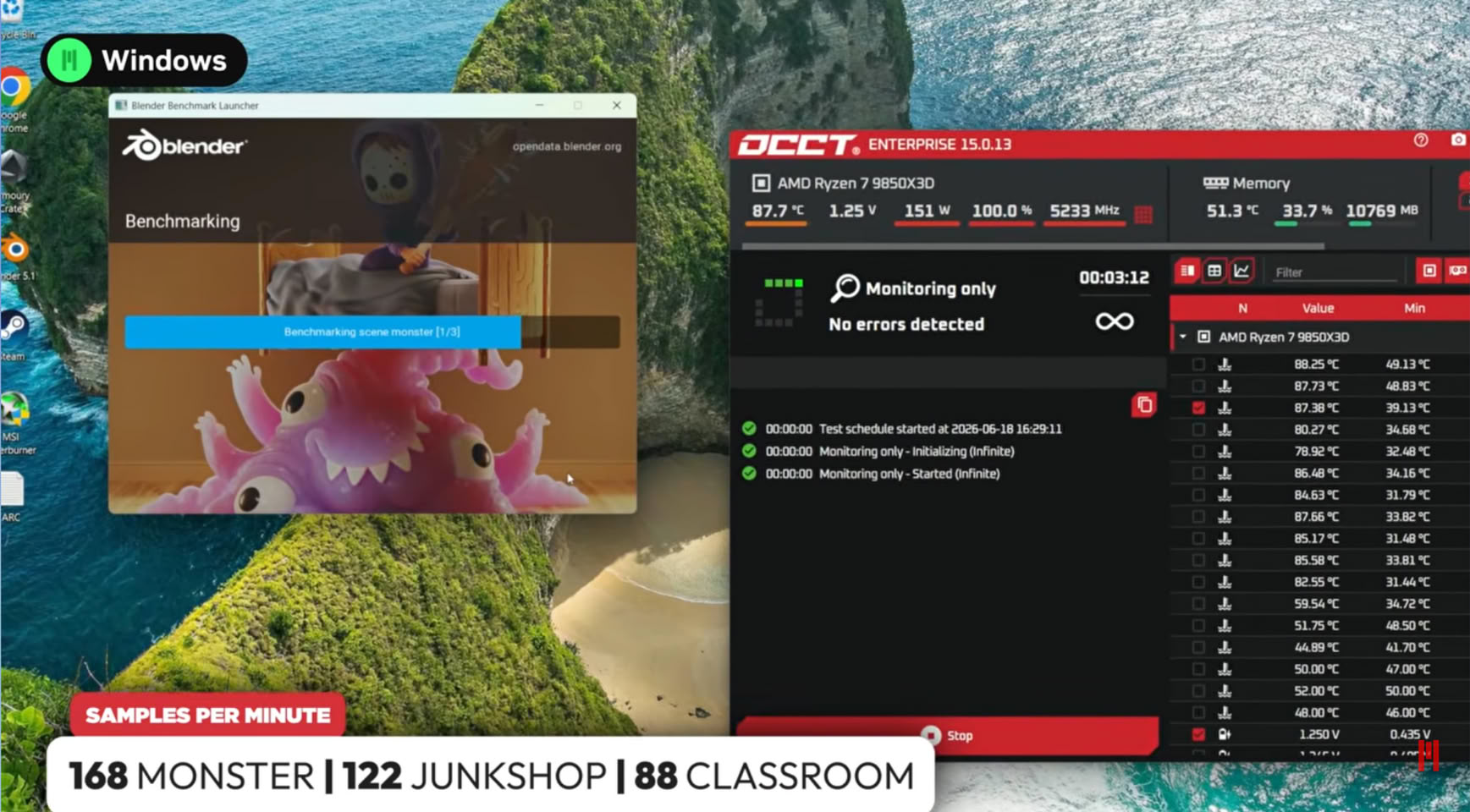
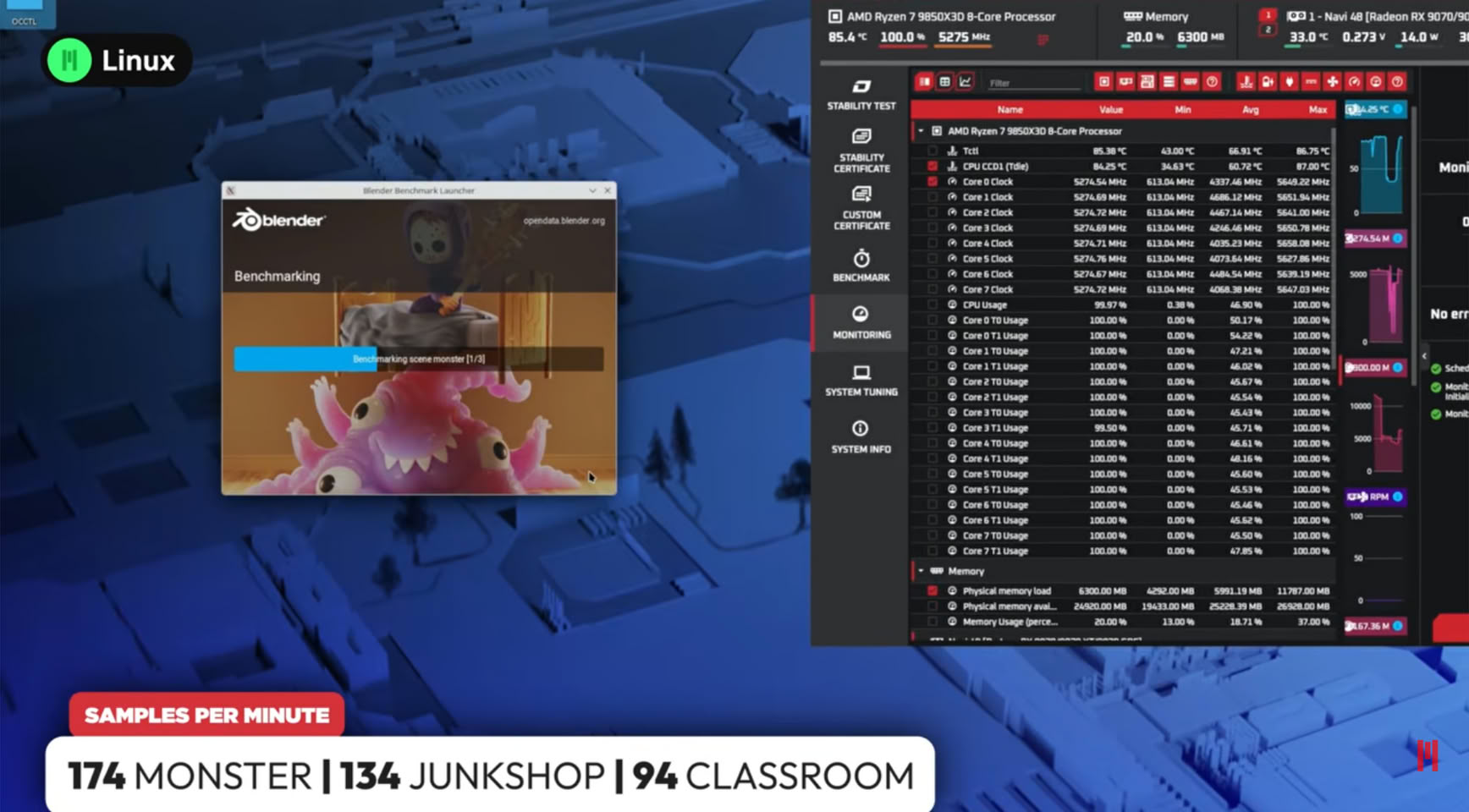
The benchmark results revealed a nuanced picture. In synthetic benchmarks, Linux demonstrated a clear advantage. For example, in Geekbench 6, Linux outperformed Windows 11 by approximately 3-4% in both single-core and multicore tests. Blender rendering also favored Linux, with performance gains ranging from 4% to 10% depending on the scene.
However, when it came to actual gaming performance, Windows maintained a slight edge. In Cyberpunk 2077 at 1440p, Windows delivered a 6% higher frame rate (9 FPS lead), and at 4K with High settings, the gap widened to 7%. Arc Raiders saw Windows outperform Linux by 9% in average FPS, with notably higher 1% lows, contributing to smoother gameplay. Marvel Rivals also ran about 5% better on Windows.
Beyond the Numbers: Community Insights and OS Choice
While the reviewer ultimately named Windows as the superior gaming operating system—citing its moderate performance lead and broader developer support, especially for features like anti-cheat—the community response highlighted important considerations beyond raw benchmarks.
Many users questioned the choice of Fedora as the Linux distribution for testing, suggesting alternatives like Bazzite, CachyOS, or Nobara Linux. These distributions often include newer kernels and performance optimizations that could potentially narrow the performance gap with Windows.
Other commenters argued that the sub-10% performance difference is not significant enough to outweigh concerns about Windows, such as privacy issues, forced updates, and changes to the user interface. Some pointed out that Linux’s leaner resource usage could make it a better choice on older or less powerful hardware, where background processes and system bloat have a greater impact on performance.
There were also valid concerns about Windows updates, which have occasionally caused instability or even hardware issues, further fueling the appeal of Linux for users seeking a more stable and customizable gaming environment.
Conclusion: Choosing the Best Gaming OS
The comparison between Linux and Windows for gaming is more complex than benchmark numbers alone can convey. While Windows currently holds a performance and compatibility advantage, especially on the latest hardware, Linux continues to gain ground thanks to community-driven improvements and a focus on user control. For gamers, the best operating system may ultimately depend on individual priorities—whether that’s maximum frame rates, system stability, privacy, or open-source flexibility.