DDR6 Memory: The Next Leap in Desktop and Server Performance
The development of Double Data Rate 6 (DDR6) memory is gaining momentum, signaling a significant advancement for both desktop and server computing. Leading memory manufacturers—including SK hynix, Samsung, and Micron—are actively collaborating with JEDEC, the global standards organization for the microelectronics industry, to define and refine the DDR6 standard. This partnership ensures that DDR6 will meet the rigorous requirements of modern computing environments while maintaining compatibility and reliability across platforms.
Progress Toward DDR6 Standardization
According to reports from South Korean technology news outlet The Elec, the initial draft of the DDR6 specification has been available to manufacturers since 2024. However, key technical details such as voltage ranges, signal protocols, power envelopes, and pinout configurations are still under discussion. As manufacturers intensify their development efforts, these specifications are expected to be finalized soon, paving the way for the next generation of high-speed memory modules.
Breakthrough Performance and Architecture
DDR6 is poised to deliver a substantial boost in memory bandwidth. Early targets indicate a base data rate of 8,800 MT/s, with scalability up to an impressive 17,600 MT/s—nearly double the maximum throughput of current DDR5 modules. This leap is made possible by DDR6’s innovative 4×24-bit sub-channel architecture, a departure from DDR5’s 2x32-bit design. The new architecture introduces unique challenges in signal integrity, prompting manufacturers to explore advanced solutions to maintain performance at higher speeds.
Adoption Timeline and Industry Impact
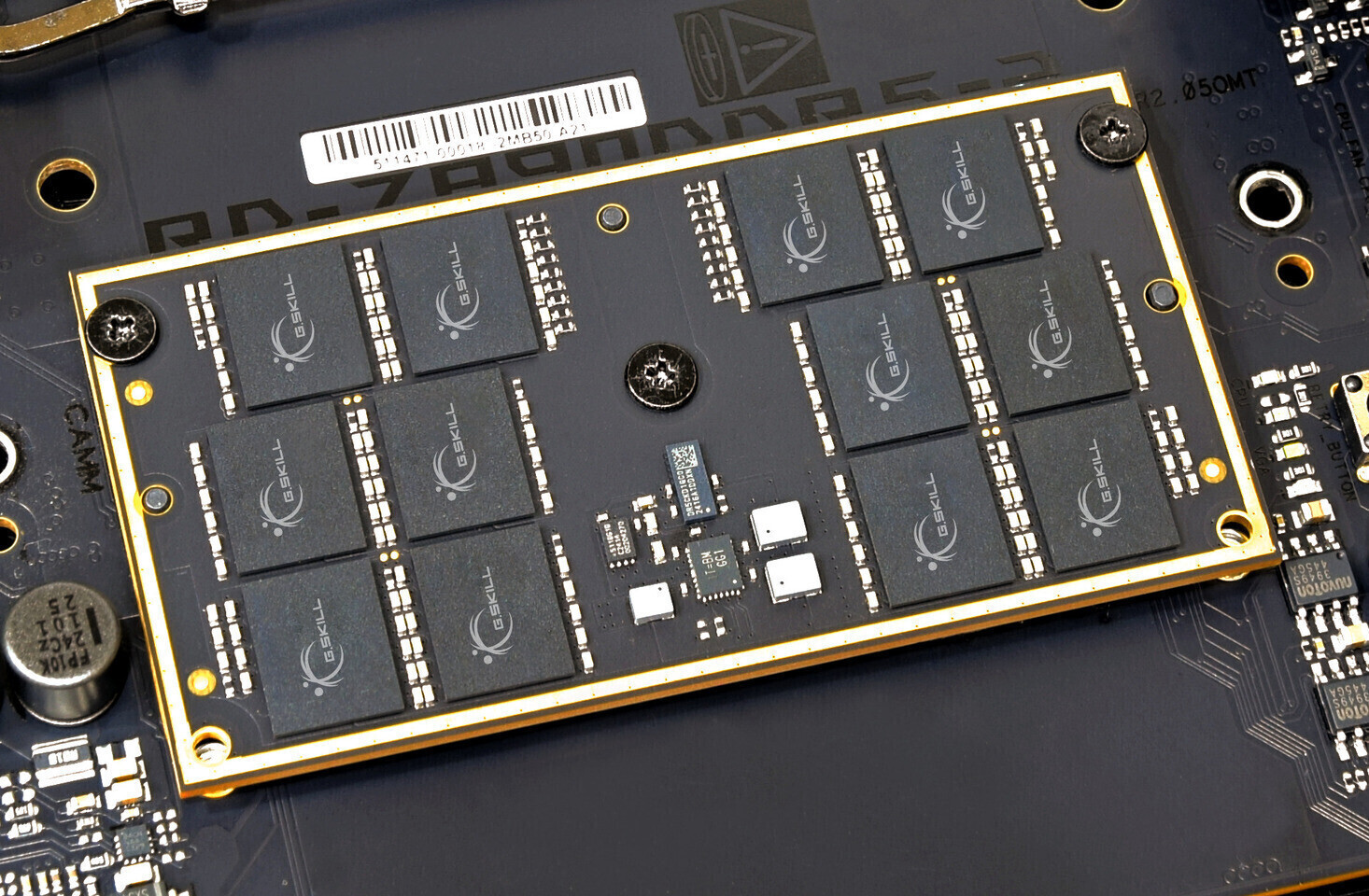
To address the physical limitations of traditional DIMM form factors at these elevated speeds, the industry is turning to CAMM2 (Compression Attached Memory Module) technology. Server platforms are expected to be the first to adopt DDR6, with high-end notebooks following as production scales. While initial projections suggested a 2027 launch for customer validation, current expectations place widespread commercialization in 2028.
The transition to DDR6 comes as DDR5 continues to gain traction, with adoption rates reaching approximately 80% last year and projected to climb to 90% this year. As a result, DDR4 is being phased out, freeing up manufacturing capacity for the new standard. This shift will enable memory manufacturers to focus on producing DDR6 modules, supporting the growing demand for faster and more efficient computing solutions.
As DDR6 moves closer to becoming the industry standard, it promises to redefine performance benchmarks for desktops, servers, and high-performance computing applications, setting the stage for the next era of memory technology.