NVIDIA N1 SoC: A New Era for Gaming Laptops
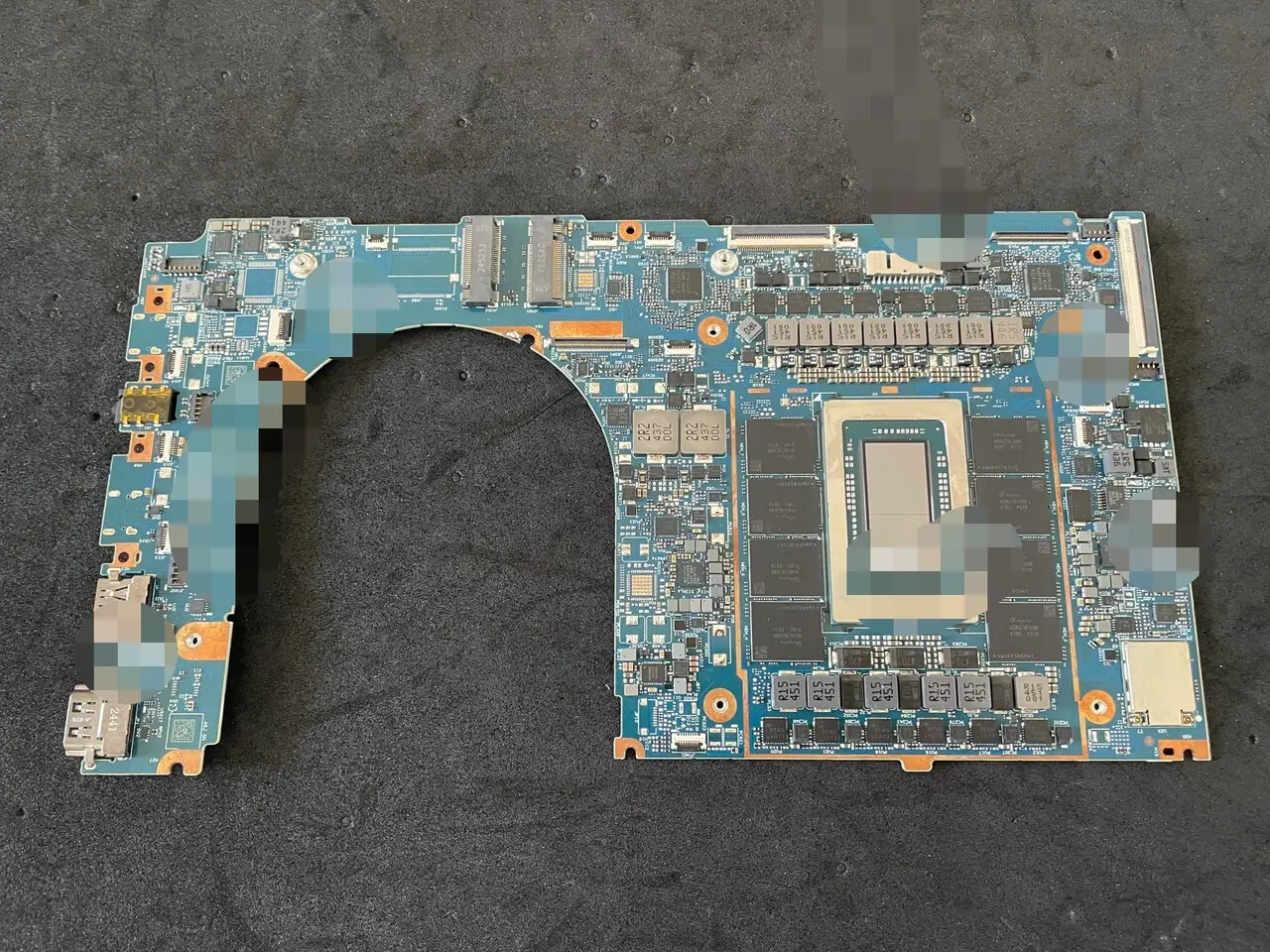
NVIDIA is set to make a significant impact in the gaming laptop market with the introduction of its upcoming N1 System-on-Chip (SoC). Recently, the N1 SoC was spotted for the first time on a laptop motherboard, signaling the company’s commitment to high-performance, energy-efficient computing for portable gaming devices.
Advanced Memory and Hardware Integration
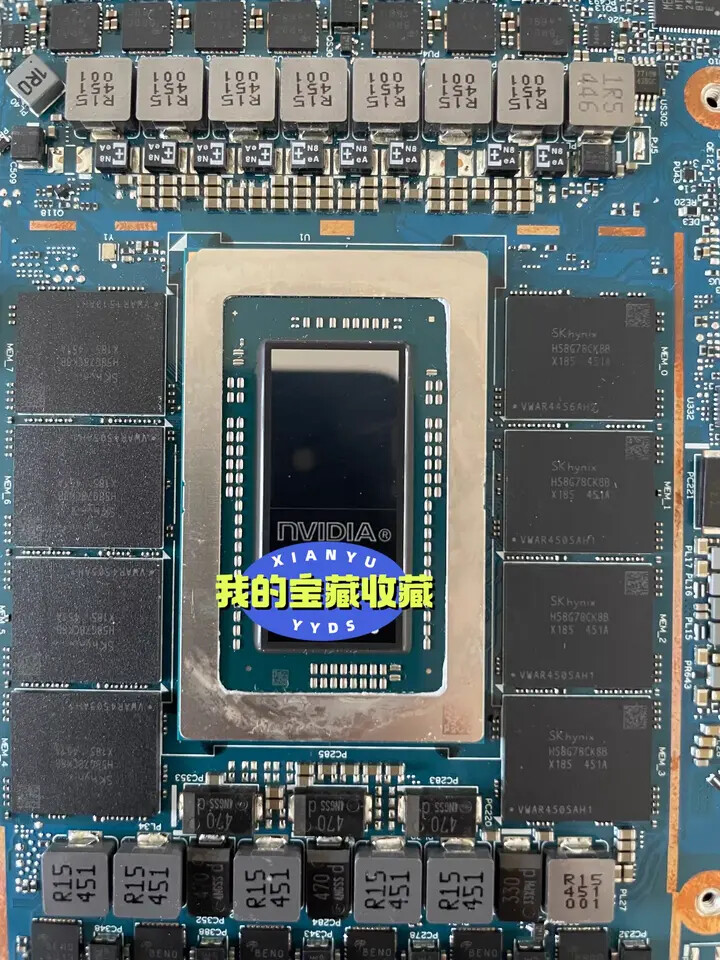
The NVIDIA N1 SoC is paired with an impressive 128 GB of LPDDR5X memory, operating at 8,533 MT/s and supplied by SK hynix. This substantial memory capacity is tightly integrated into a specialized area of the motherboard, likely designed to accommodate advanced cooling solutions that may also help regulate the temperature of the high-speed memory modules.
Early benchmark results for the N1 SoC have already surfaced, and major OEM partners such as Dell and Lenovo have confirmed plans to launch laptops based on this new platform within the year. This marks a strategic expansion for NVIDIA, following the earlier release of the GB10 SoC for the DGX Spark mini workstation. The GB10 allowed NVIDIA to refine its collaboration with MediaTek, focusing on developing low-power SoCs that deliver robust graphics performance for AI workloads and support for large memory configurations.
Technical Specifications and Platform Features
NVIDIA’s roadmap includes the introduction of the N1 and N1X SoCs, featuring Arm-based CPU cores, around Computex 2026. These chips will offer a total of 20 CPU cores—10 Cortex-X925 and 10 Cortex-A725—built on the Armv9.2 architecture. The integrated “Blackwell” GPU is optimized for low power consumption and can scale up to 6,144 CUDA cores in higher-end variants, promising exceptional graphics capabilities for gaming and AI applications.
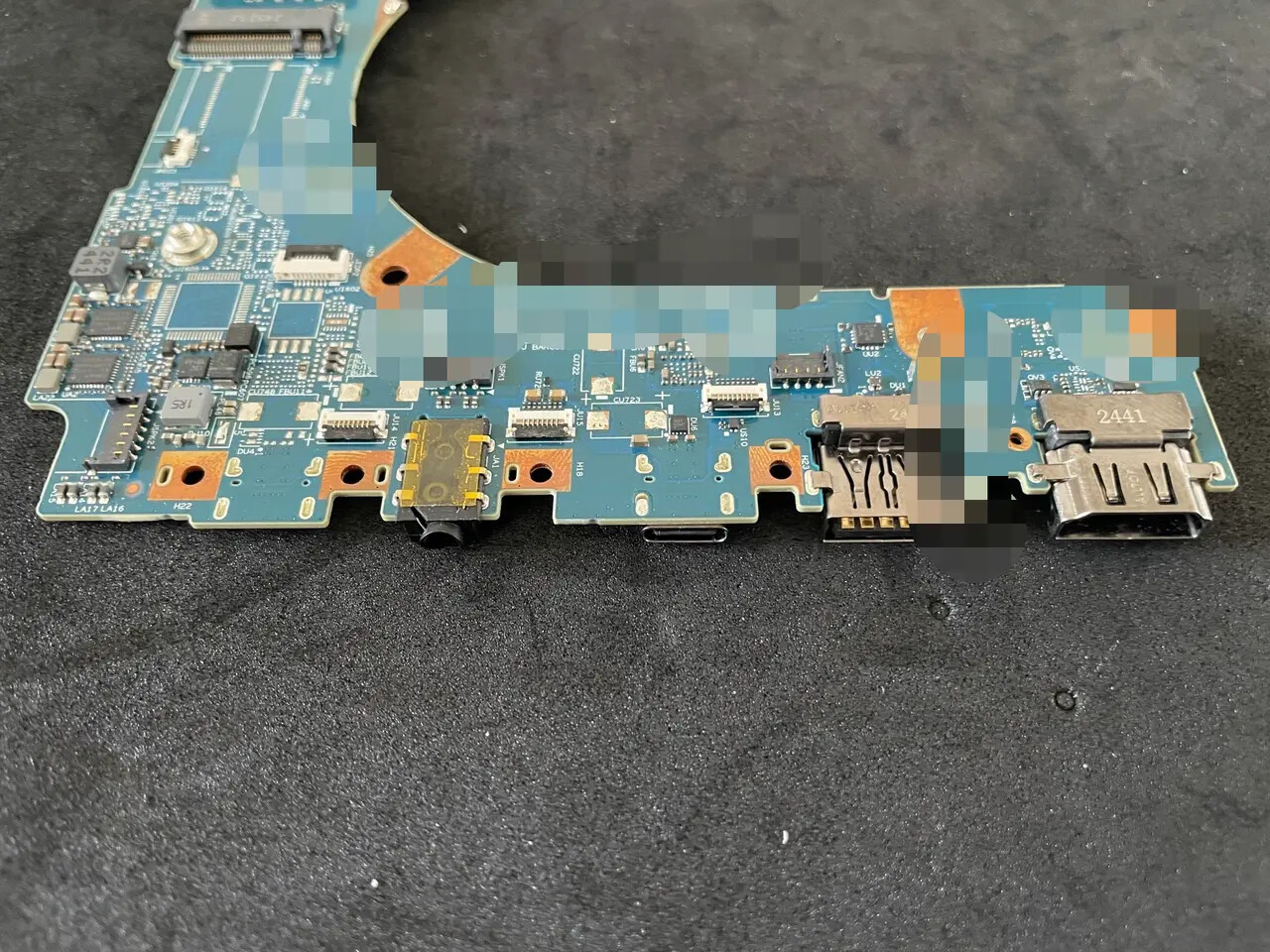
Images of the motherboard reveal a comprehensive port selection, including USB-C or Thunderbolt 4/5, USB-A, and HDMI connectivity. While the specific laptop model remains unidentified, these features suggest a focus on versatility and high-speed data transfer, catering to the needs of modern gamers and creators.
Expanding the Windows on Arm Ecosystem
The NVIDIA N1 SoC is poised to become a key player in the rapidly evolving Windows on Arm (WoA) ecosystem. It will compete directly with Qualcomm’s Snapdragon X2 Elite and X2 Plus SoCs, both of which are already making strides in the market. Microsoft is actively supporting these new platforms, optimizing Windows 11 for Arm-based hardware. The upcoming Windows 11 26H1 release is tailored specifically for WoA devices, ensuring seamless performance and compatibility for users adopting the latest SoC technologies.
As NVIDIA prepares to launch its N1-powered gaming laptops, the industry is witnessing a shift toward more efficient, high-performance solutions that leverage the strengths of Arm architecture. This development not only enhances gaming experiences but also broadens the possibilities for AI and creative workloads on portable devices.